Photo © Sébastien Martos, CreaVision
The first fully booked Automated Mobility Summit showed that Switzerland has the talent, the pilot projects and the regulatory foundations needed to make autonomous mobility a reality in service of society. What happens next is a choice: invest ambitiously in this vision, or let the opportunity slip away.
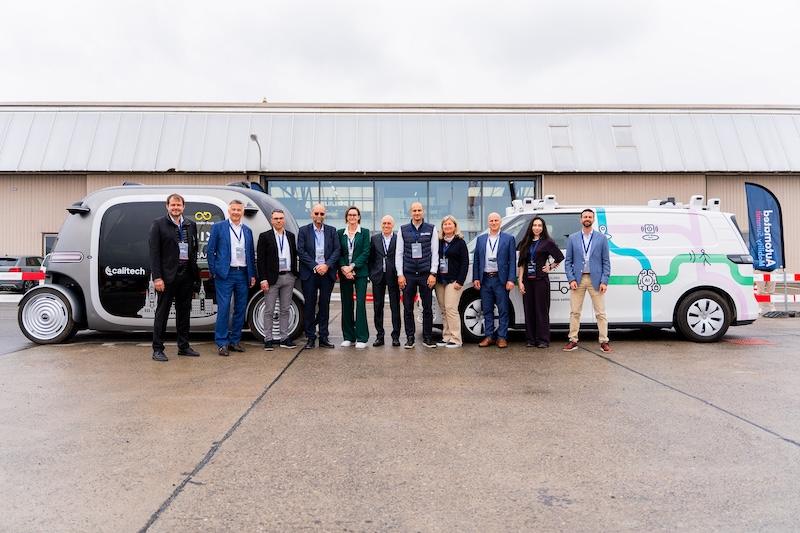
The first Automated Mobility Summit (AMS), organised by SAAM (Swiss Association for Autonomous Mobility), took place on 4 and 5 May 2026 at L’Innovation Park Zurich in Dübendorf. Over two days, more than 300 decision-makers, engineers, political leaders, transport operators and investors from across Europe, Asia and the United States gathered to assess where autonomous mobility stands today and to define the concrete steps needed to move from pilot projects to large-scale deployment.
An event sending a strong signal

• One of Europe’s largest events dedicated to automated mobility, with more than 300 participants from Europe, Asia and the United States
• High-level participation: CEOs, national parliamentarians, transport operators and regulators
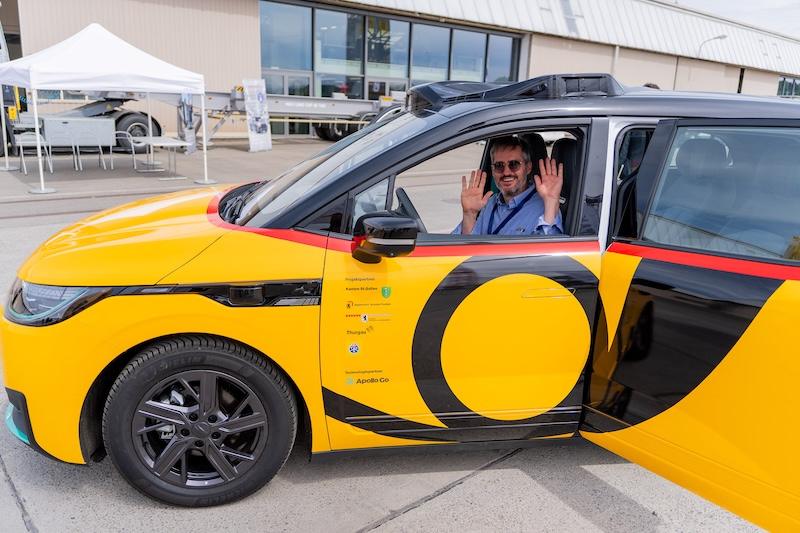
• 8 automated vehicles on site: 2 available for real-world trials (PixMoving & LOXO), 6 on static display.
• With 33 automated vehicles on public roads since 2015 and an estimated 100 vehicles by 2028, Switzerland ranks among Europe’s most advanced countries in autonomous vehicles.
Automated vehicles currently deployed in Switzerland
• Loxo / Planzer (Bern): Europe’s first urban level-4 parcel delivery service, operating in real conditions
• Embotech (CH & worldwide): more than 3,000 vehicles moved autonomously every day in factories and ports
• TGA SCCL / Arbon (Thurgau): automated bus (20 passengers) running 7 days a week in the city centre
• ULTIMO (Geneva region): 15 level-4 on-demand shuttles will cross the Franco-Swiss border in a few months.
• PostAuto / AmiGo (eastern Switzerland): up to 25 robotaxis for on-demand ride-sharing in areas poorly served by public transport
• Swiss Transit Lab (Furttal, ZH–AG): autonomous public transport service with 6 vehicles, launch scheduled for 2026
• Zurich Airport: autonomous airside shuttle services between the gates, driverless operations planned for Q3 2026
• Urban Places Lab / ARIVE³ (Basel): cross-border autonomous first/last-mile service between Switzerland, Germany and France
“Key Actions for Switzerland” – the panel that spelled out what is at stake
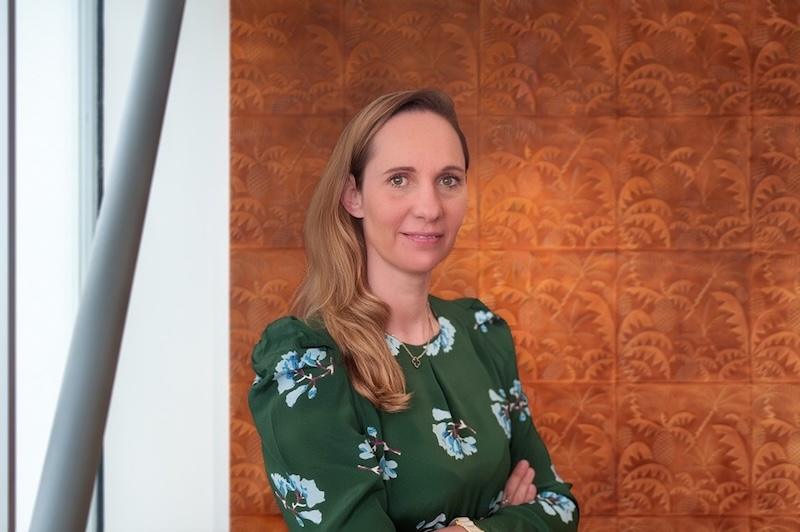
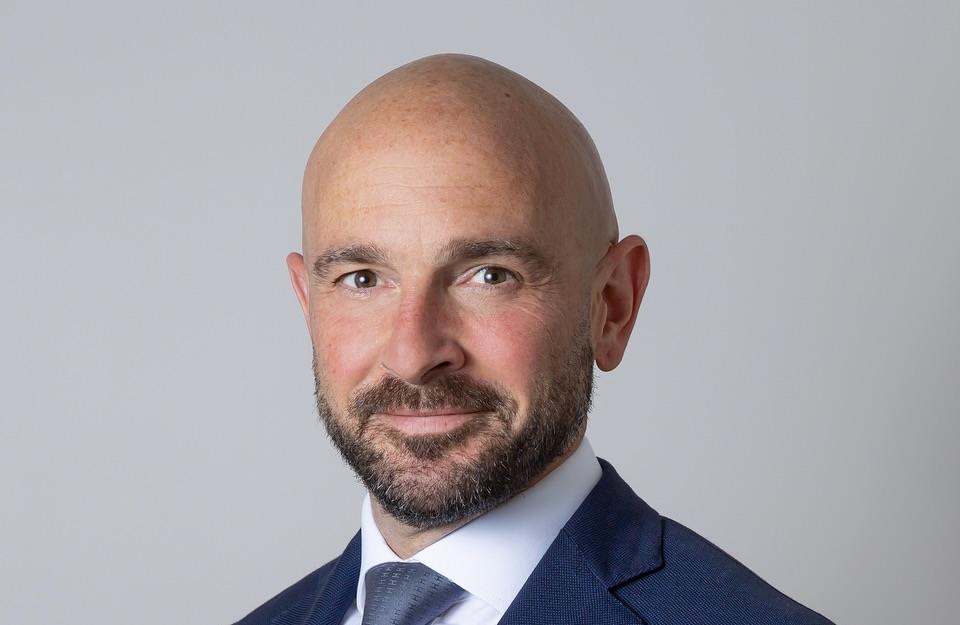
The Tuesday afternoon panel brought together key figures on the issue, moderated by Mélanie Freymond:
• Jürg Röthlisberger – Director, Federal Roads Office (FEDRO)
• Emmanuelle Vandamme – Chair, Belgian Federal Mobility & Transport Committee
• Barbara Schaffner – National Councillor
• Jürg Wittwer – CEO, TCS
• Stefan Regli – CEO, PostAuto
• Amin Amini – CEO, LOXO
• Vibeke Harlem – Head of Radical Innovations, Ruter (Norway)
Their shared conclusion was clear: Switzerland already has the necessary foundations. What it now needs is the strategic courage to capitalise on them, and to deliver on the promise of mobility that is safer, more sustainable and more accessible for the entire population
The SAAM Roadmap: making Swiss mobility more sustainable.
• Vision, objectives and milestones through to 2040 for passenger transport and logistics
• Automated vehicles will help make traffic safer, more efficient, more sustainable and accessible to all.
• Automated vehicles will be part of everyday life in Switzerland within 15 years — provided decisions are taken now
• The full Roadmap is available at saam.swiss
The funding challenge: time to act
Switzerland spends around CHF 8 billion a year on public transport subsidies. Part of that budget must be redirected to finance the transition to large-scale autonomous mobility.
The Summit made one point unmistakably clear: the business model for level-4 vehicles in public transport does not finance itself. Public co-investment during the transition phase is the condition for Switzerland to deliver on the promise of a credible future mobility model.
Find all our Press Releases