Cave de Genève
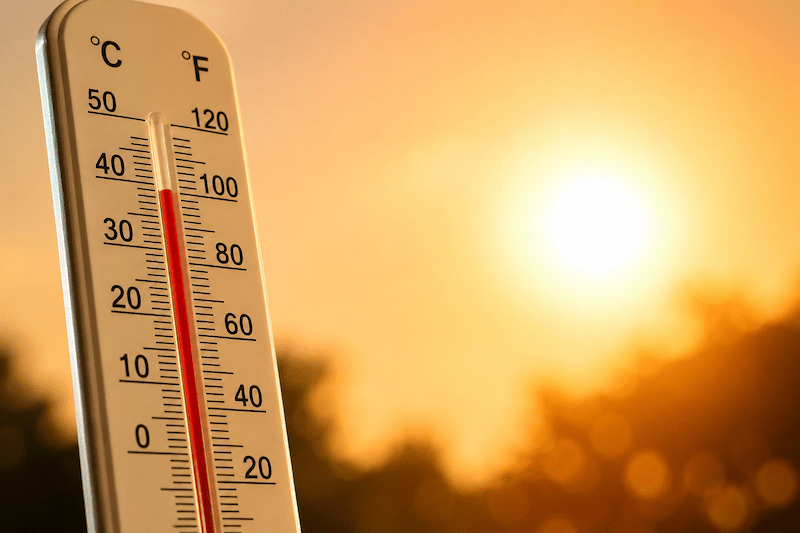
As the heat spreads, this episode underscores rising long-term health risks, as well as the urgent need for more resilient health systems and greater individual adaptation.
By Damien Ng, Thematic Analyst, Next Generation, Julius Baer
Europe is grappling with an exceptional heatwave following a “heat dome” that has driven record temperatures, power outages and numerous deaths across the continent. Driven by atmospheric pressure systems that trap hot air near the surface for several days, these events prolong exposure to extreme heat and leave populations with little respite.
The consequences for health systems are already severe. Studies show that emergency hospital admissions typically rise by 3.6% to 8% during heatwaves, as acute cases linked to cardiopulmonary, kidney and mental health conditions surge simultaneously. The strain on hospitals, staff and emergency services compounds the direct human toll.

France, Spain and Italy have been the worst affected. France recorded its hottest June day on Wednesday, with a national average of 29.8°C and temperatures exceeding 44°C in some regions. The country has reported at least 50 heat-related deaths, including among young children and the elderly. The United Kingdom has issued red heat alerts, with temperatures forecast to break long-standing June records. As the heatwave shifts eastward, meteorologists in Germany and the Czech Republic are warning of extreme conditions in the days ahead.
Health authorities stress that extreme heat affects everyone, but the most severe risks fall on the most vulnerable. Older people are particularly exposed, as the body’s ability to regulate temperature declines with age. Very young children are more susceptible to dehydration and heat stress. People with pre-existing chronic conditions, those living alone and outdoor workers face heightened danger that public health messaging must specifically address.
Over the longer term, repeated exposure to extreme heat is likely to worsen underlying chronic illnesses, shape future health outcomes and place sustained pressure on health systems already stretched by ageing populations and rising demand. Adapting infrastructure, strengthening early-warning systems and building genuine resilience into healthcare networks will be essential. For individuals, the crisis also underscores the importance of adopting healthier lifestyles — better hydration, reduced physical exertion during peak heat hours, and awareness of warning signs — as a meaningful contribution to managing long-term health risks.
Find all our Inside articles