Cave de Genève

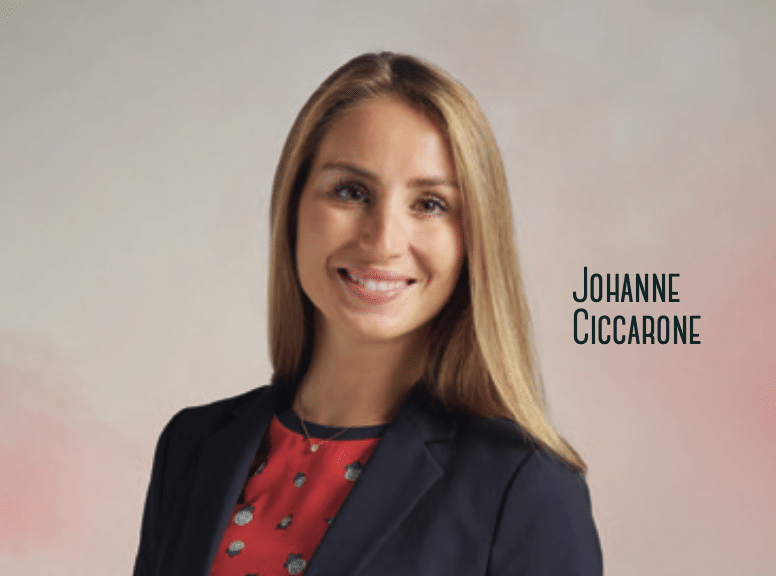
Photo on the left Minnig Myriam and on the left Frey Raymond © BDO
The “no” at the ballot box does not alter the current parameters of occupational pension provision.
The conversion rate for new pension recipients remains at 6.8%, meaning that someone who has accumulated retirement assets of CHF 100,000 at the age of 65 will continue to receive an annual pension of CHF 6,800. The reform had planned to lower this rate to 6.0%.
The contribution rates for retirement savings remain unchanged. The occupational pension reform had planned to reduce the age-based structure from four tiers to two. At the same time, contribution rates would have been slightly lowered. This would have helped reduce costs for older employees in particular.

The coordination deduction of CHF 25,725 and the entry threshold of CHF 20,050 remain in force. The occupational pension reform had planned to replace the fixed coordination deduction with a variable deduction equal to 20% of AHV salary. The entry threshold was to be lowered to CHF 19,845.
These measures would have increased insured income and, consequently, retirement savings contributions. Part-time employees and low-wage workers in particular would have benefited.
By maintaining the coordination deduction, the entry threshold and the retirement savings contribution rates, the financial burden for companies and employees remains unchanged.
The financial situation of pension foundations under mandatory or near-mandatory occupational pension coverage remains unchanged. Rising life expectancy requires longer pension payments, while the retirement capital available often falls short of what is needed to meet these payment promises. This forces pension funds to redistribute the missing assets. In practical terms, active insured members receive a lower interest rate because the funds are needed to finance benefits.
Part-time workers, people with multiple jobs and low-income earners remain largely outside the scope of the occupational pension system. Despite being employed, these individuals do not accumulate, or accumulate only very limited, retirement capital. As a result, securing their retirement remains challenging, and the risk persists that future basic living costs will have to be covered by supplementary benefits.
These and other issues will need to be addressed in another package of occupational pension reforms.
Despite the reform’s rejection, employers have the opportunity to actively structure their employees’ occupational pension coverage, modernise it and make it more flexible. Taking a proactive approach to pension solutions can also give companies an advantage in the labour market, as it allows them to position themselves as forward-looking employers.
The possible measures are numerous. For example, you can offer a plan with additional savings options alongside the standard insurance plan already in place. Employees can then freely choose the plan under which they wish to be insured. It is up to you to decide who will bear the additional contributions. If these costs are borne by employees, they are neutral for the company. If the company assumes a larger share, pension contribution expenses rise accordingly.
If you employ many part-time workers, you should check whether a reduction in the coordination deduction is possible. This enables part-time employees and multi-employer workers to increase their insured income. Financially, this has implications for both employers and employees, as contributions on the additional insured salaries must be shared.
We therefore recommend contacting the managers of your pension foundation. They will provide you with the information and options you need to design an optimal pension solution as an employer.
BDO closely follows developments and regularly informs you about the current status of implementation. Our experienced specialists will be pleased to support you with the tasks ahead.
Find all our Pension provision articles