Cave de Genève
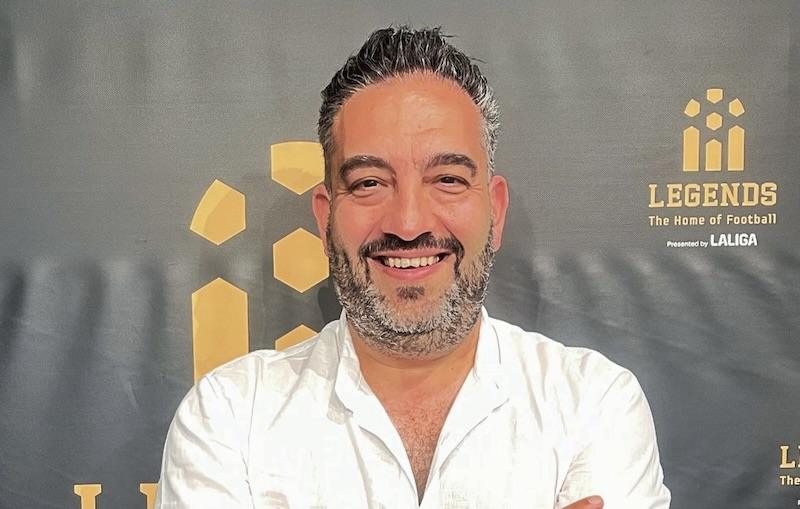
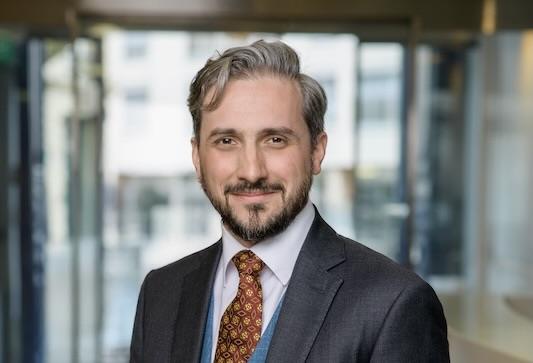
Photo: Osman Aydogdu ©
Major sporting events place them under particular pressure, as the upcoming World Cup illustrates. Physiotherapists — commonly known as kinésithérapeutes — are an essential cog in athletic performance. At the bedside of champions and of modern man, the profession sits at the crossroads of both health and social issues. Posture tells the story of a person’s lived experience with the precision of a 4D scan. Anatomical imbalances, chronic illnesses, inflammation, injuries, emotional shocks… Everything is interconnected in what eventually comes to the surface. Le Monde Economique spoke with practitioner Osman Aydogdu, who has elevated the discipline of physiotherapy.
By Sabah Kaddouri
Champions are ahead of the curve when it comes to understanding their bodies, and have always relied on physiotherapists to excel in their disciplines. Osman Aydogdu works alongside them, but also in community medicine, where he observes the consequences of our society’s sedentary lifestyle. Remote work, screens, the decline in daily physical activity, the uberisation of consumption habits that encourage delivery services… All of these factors have profoundly altered our relationship with movement. The body is increasingly asked to remain in static positions, often for long periods, which fosters pain and functional disorders. The clinical bill comes due when it is too late to correct the musculoskeletal posture that affects bodily mobility and, ultimately, autonomy. A graduate of the School of Physiotherapy in Liège, Belgium, and of the European Osteopathic College in Cergy-Pontoise (now called Humanis) in France, Dr Osman Aydogdu is fully aware of his societal role in addressing these public health challenges.

“Whether for professional or personal use, we all spend a significant amount of time on screens. Over the course of the day, the body tends to lean more to one side, and the eyes are not equally engaged depending on the tilt. In a way, it is like a drop of water slowly accumulating until the day the vase overflows. The result is accumulated fatigue leading to bodily imbalances and the emergence of pathologies. I studied this subject in depth through a course in neuro-motor reprogramming so that I could intervene in clinical posturology in a highly advanced dynamic way, combined with sports physiotherapy and orthokinesiology. The body is a system. Everything fits together. I advocate personalised medicine, also by looking into the patient’s genetics.”, Osman Aydogdu explains.
The specialist has decided to put his expertise at the service of a more “ordinary” patient base than the sporting champions he now supports only occasionally. In doing so, he aims to kill two birds with one stone: restoring balance to a daily routine once shaped by frequent continental travel to follow athletes in competition, while now seeking to settle in the Paris region. His goal: to develop his innovative medical offering. “I want to propose realistic adjustments, compatible with everyone’s life. In large cities, active people lack the time to build simple but regular exercises into their routine, yet over time those habits make all the difference. For me, the first assessment appointment is essential, because it means examining both the clinical picture and the psychological barriers. I try to understand how the patient positions themselves in relation to their pathology and their challenges. Before any protocol is set in motion, the physiotherapist must assess mental load and lifestyle habits that are intrinsically linked to physiological condition.”, stresses Dr Osman Aydogdu.
In conversation, the physiotherapist often draws parallels between entrepreneurs and top athletes when it comes to facing challenges. Some executives spend months preparing for a strategic meeting that will last only fifteen minutes; why should an entrepreneur not have the same instinct as an athlete and consult a physiotherapist in advance, in order to be at peak cognitive and physical capacity on the big day? And what about those in positions of responsibility who, at the press of a button, help determine the fate of thousands, even millions, of human beings?
These are the kinds of questions that continually fuel his desire to study, understand, shape and innovate in order to dispel a misunderstanding: physiotherapy is not merely the art of providing targeted massages or inviting patients to stretch on a gym machine. For the practitioner, that makes no sense. People like him will become increasingly rare in the future, as the new generation of colleagues runs up against the steamroller of artificial intelligence. “The difference in approach between a top-level champion and an ordinary patient lies in timing; the athlete will tell me that in X time they have a sporting deadline and must be ready. I therefore have to factor in several variables to trigger a rapid healing process so that they are ready to play on the big day, then switch to recovery mode over the following weeks. I use their mental state, stimulate their healing capacity and apply my discipline at the level of biomechanics. Naturally, this work is carried out in coordination with other professions such as general medicine; however, it is through my practice that the competitor will be able to run, jump, walk and move.”, Osman Aydogdu qualifies.
Everything is calculated to reduce the athlete’s pain during competition. For those who are worse off but determined to compete, pain levels can be lowered to 30%-40% instead of 90%. “It is pain, certainly, but not medical incapacity. To put the body through strain, one must understand how the immune and healing systems work. The body contains receptors that need to be activated judiciously.”, explains this healer, who has helped many champions go on to victory without being at their full potential. A miracle? No — a highly refined expertise in the human body, its healing power and the ultra-personalisation of care.
So what are the prerequisites for reading bodily dysfunction with a single touch? And beyond that, for being able to treat? Physiotherapy is a very demanding discipline, requiring mastery of anatomy, physiology, internal medicine, and specialties such as orthopaedic rehabilitation, neurology, paediatrics, geriatrics, respiratory physiotherapy, sport, traumatology, ergonomics, biomechanics and medical imaging… It is one of the most comprehensive training paths, yet that does not stop this highly accomplished professional from seeing himself as a perpetual student, always seeking understanding, self-questioning and creative ideas to optimise his therapeutic effectiveness. A truly augmented practitioner. Dr Aydogdu has even gone as far as studying micronutrition and the human genome in order to apply it to sports genetics.
“I am the only physiotherapist to hold a degree in sports genetics issued in Turkey. It is the only country in the world to have developed this pioneering scientific concept and patented it. Thanks to this training, I was able to carry out a deeper reflection on physiotherapy, prevention, genetics and sport. In turn, I train colleagues in this approach. Why do top-level athletes die in their hotel rooms after a competition? This topic needs to be investigated, rather than being hastily reduced to cardiac issues. ”.
Water is also a vital element for Dr Osman Aydogdu, who has conducted research into the pH of water to treat inflammation and pathology. By using high frequency in certain treatments, he aims to push recalcitrant cells to accept therapeutic vibrations. “How is a cell’s acidity eliminated after exertion? What should one eat to soothe the body? Where should one redirect one’s energy?”. The practitioner always looks toward the blind spots of modern medicine, which must be holistic and comprehensive.
He concludes that Switzerland remains an advanced country on these issues. “Switzerland identifies dysfunction before pathology and has long been interested in the link with longevity. I salute the Swiss school, from which disruptive forms of care will continue to emerge.”, he says.
The future of the profession — and of Health with a capital H — also lies in paying attention to the younger generation. The Belgian-Turkish physiotherapist also devotes a significant amount of time to children through the Galatasaray football academies, a concept he initiated in France. There, he welcomes children who have fallen behind at school and are caught in the spiral of screens and sedentary living. He reconnects them with sport and social life by giving them a framework in which discipline, teamwork and self-improvement are learned. Inspiring.
Find all our Inside articles