The Swiss property market has, as a whole, been attracting growing interest since the 1990s. While the country’s major urban centres are under heavy pressure, with demand far outstripping supply, other regions are also posting striking growth.
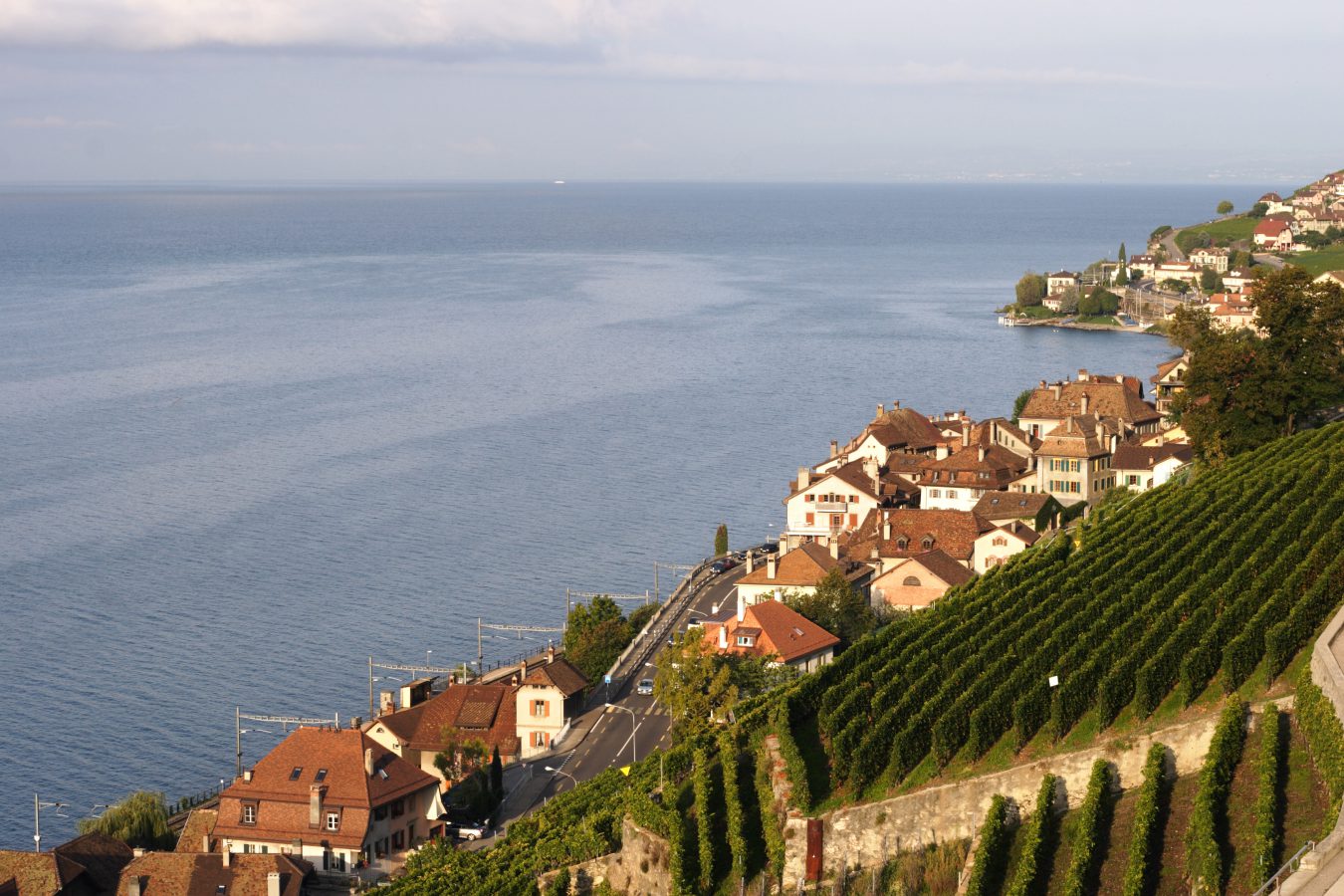
The shores of Lake Geneva are, of course, affected by this trend, and particularly the Vaud lakeside region, where signs of strain are emerging in an increasingly constrained market.
The direct consequence of this situation is a startling rise in square-metre prices. In practical terms, buying a villa or an apartment in the region has become increasingly difficult, given both the level of prices and the shortage of homes available for sale.

Geneva’s influence
The City of Calvin is regarded as one of the most troubling cases in Switzerland, with a considerable shortage of properties facing ever-stronger demand. Despite its international reach, reinforced by Cointrin Airport, the city appears unable to resolve the issue, even after several years.
As a result, many Geneva residents have no choice but to look elsewhere. The neighbouring French border area has, of course, also felt the impact, but it is above all the Vaud lakeside region that is experiencing the pull of Geneva’s market. In addition, the establishment of multinationals is reinforcing the trend even further.
Prices keep rising
The effect on property costs is clearly one of the main consequences of this phenomenon. For example, buying or renting in Nyon is now, on average, more expensive than settling in Lausanne. The region’s smaller municipalities have also undergone major changes thanks to a range of construction projects. Despite these efforts, prices continue to rise, with some properties reaching record levels.
The expansion of public transport, notably the SBB/CFF rail lines, which are set to increase service frequency over the coming years, should make these areas even more attractive. Improvements to the motorway network, such as the creation of a third lane, are also helping to reduce travel times to the far end of the lake. In addition, companies are increasingly choosing to establish themselves outside major urban centres in order to keep fixed costs down. Larger organisations also often struggle to set up in cities, where space is extremely limited. As a result, these satellite areas are gradually turning into genuine urban centres, confirming an already well-established appeal.
Public authorities are also determined to support the development of their municipalities by promoting construction and densification projects in order to meet current needs. The expected increase in population over the coming years is, in fact, one of the main challenges for many regions in French-speaking Switzerland. Building and attempting to regulate markets therefore remain major challenges across the Vaud lakeside region.
Laurent Pannatier/Consultant at Le Monde Economique and Regional Manager of the PROXIMMO agency