Photos © Icelandair
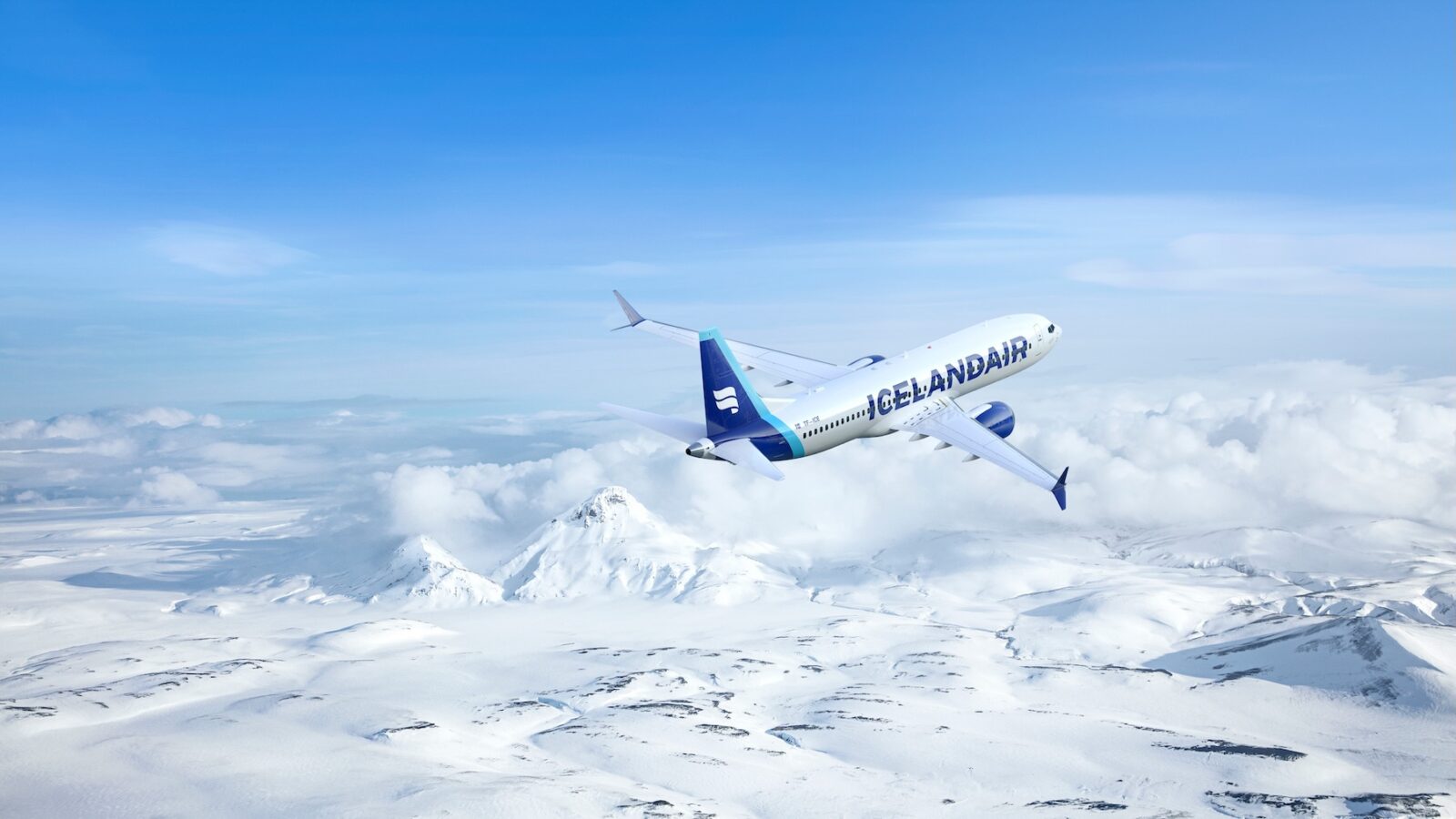
Straddling Europe and the United States, Icelandair connects travellers from one ocean to the other. Founded in 1937, the Icelandic carrier continues to post clear-sky growth, while also strengthening its foothold on secondary routes such as Gothenburg, Nashville and Malaga. By the summer, Icelandair is set to play an even more central role in travel flows during the FIFA World Cup in North America. Spotlight on an aircraft operator that is becoming increasingly indispensable.
By Sabah Kaddouri
What is your strategy for competing with US airlines and the legacy carriers operating these routes?

Icelandair : Our international network is built around Iceland’s advantageous geographical position. Located between Europe and North America, Iceland is an ideal hub for transatlantic traffic. By operating this extensive network with an efficient narrow-body fleet, we are able to serve more direct routes and offer higher frequencies than if we were serving only markets to and from Iceland. We can connect capital cities as well as secondary cities across Europe and North America that do not have direct links, via Iceland, with high frequency, the shortest possible travel times and the most convenient connection experience possible at our hub in Iceland.
Finally, it should be noted that up to 25% of our transatlantic passengers take advantage of our stopover offer in Iceland for up to seven nights (Icelandair Stopover), on a transatlantic journey, at no additional airfare cost — something no other network carrier can offer.
Over 25 years, you have tripled the number of passengers carried. Is this linked to Iceland’s popularity as a stopover on all your transatlantic flights?
Icelandair : Over the past twenty-five years, we have seen a sharp rise in Iceland’s popularity as a tourist destination, and we are proud of our contribution to that popularity. Our ‘Icelandair Stopover’ offer, which allows transatlantic passengers to stop in Iceland for up to seven nights at no extra airfare cost, is market-leading and has played an important role in promoting Iceland. Growth, however, is visible across all our markets, whether for people travelling to Iceland, Icelanders travelling abroad or transatlantic flights. Our expanding network currently includes more than 60 destinations, including secondary European cities such as Edinburgh and Gothenburg, which shows that passengers are increasingly choosing Icelandair for reasons other than tourism.
All of this has contributed to our growth, but above all it reflects the strength of our business model, the targeted development of our network and Iceland’s appeal as a destination.
Which markets are the most dynamic? And where does Switzerland stand, in particular?
Icelandair : By combining passengers from our markets to Iceland, from Iceland and in the transatlantic market, our route network gives us considerable flexibility to shift our focus between markets as needed. In the current environment of a highly competitive transatlantic market, we have placed greater emphasis on markets to and from Iceland, although the transatlantic market remains a very important part of our operations.
Switzerland is an important market for us, and we offer highly efficient links between many of our destinations in North America and our two destinations in Switzerland, Zurich and Geneva. Zurich is served year-round with ten flights per week, while we have concentrated our Geneva operations in summer, although we recently added flights for winter 2026/2027, from December through Easter.
Are you considering developing a business-class offering, or are you focusing on a low-cost model?
Icelandair : At present, we are convinced that we have the right service for our market, which is in no way a low-cost one. We offer generous seat pitch, an on-demand entertainment system and Wi-Fi for all passengers.
‘Saga Premium’, our premium product, has evolved over the past forty years into a distinctly Icelandic premium experience. It is premium, done our way. We do not copy legacy carriers, but instead offer authentic Icelandic hospitality at prices that reflect our operational efficiency.
Saga Premium passengers enjoy genuine comfort: generous baggage allowance, priority check-in and boarding, access to exclusive airport lounges, on-board on-demand entertainment, gourmet dining inspired by Icelandic culinary traditions using fresh, local ingredients, locally sourced gins and wines selected by our teams, free on-board Wi-Fi, noise-cancelling headsets and amenity kits featuring Icelandic art.
Looking ahead, we remain committed to continuing to innovate and enhance the Saga Premium experience. Plans are underway to further develop our offerings by continuing to integrate the latest technologies and comfort as priorities.
What does 2026 look like for Icelandair? Any specific plans for the FIFA World Cup, a highlight on the routes served?
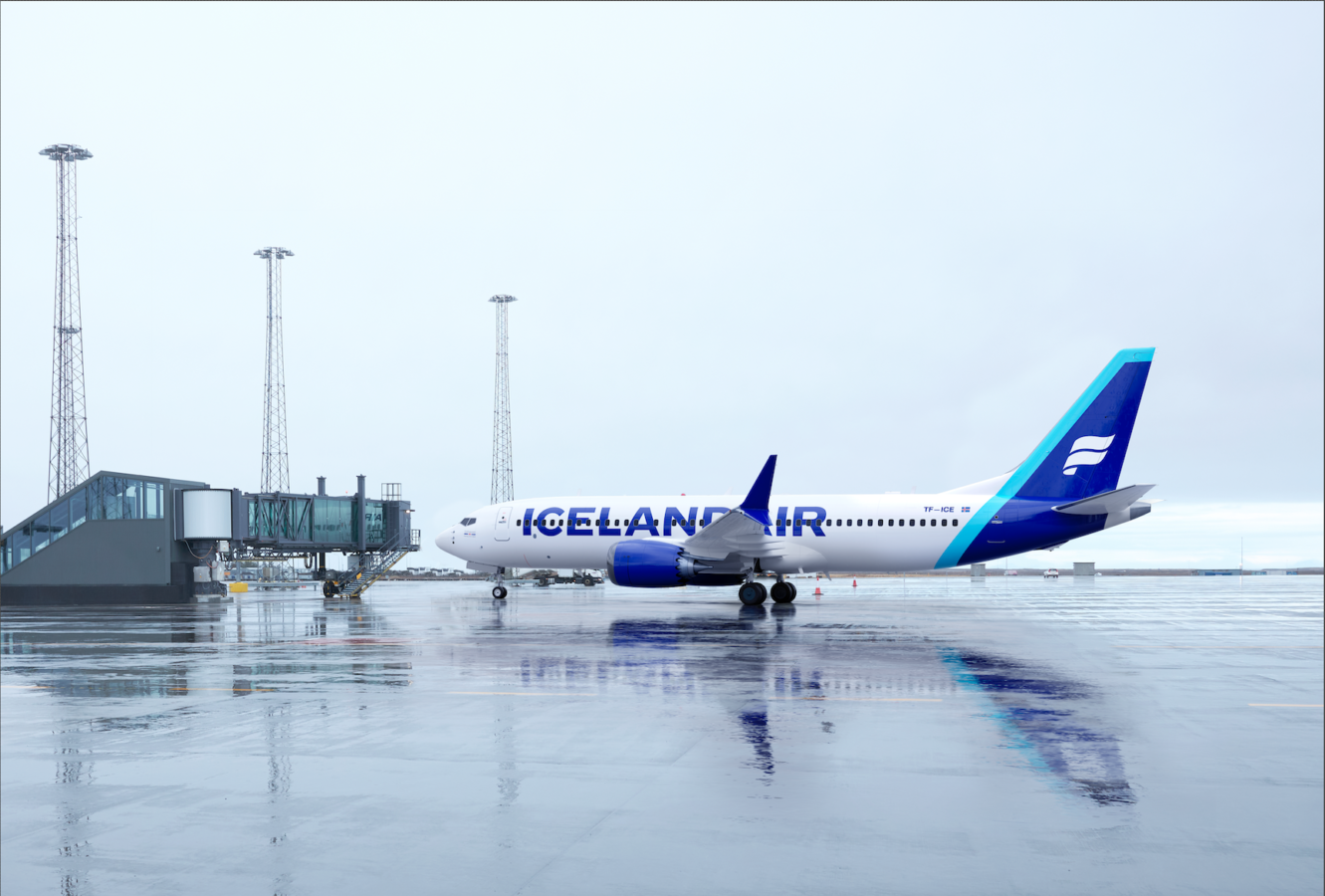
Icelandair : 2026 is a key year operationally and commercially. Our record of more than five million passengers in 2025 confirms demand for our expansion plans. Our fleet renewal programme is under way, with Airbus A321LR aircraft now in service and additional A321XLR aircraft on order for 2029, meaning we are positioned to strategically expand capacity on high-demand transatlantic routes.
We have already expanded our network to more than 60 gateways across Europe, North America, Greenland and Iceland. This is the largest network in Icelandair’s recent history, made possible both by our new fleet capacity and by our strategic partnership architecture. We will be there to support travellers heading to North America for the FIFA World Cup this summer, as we serve many host cities.
We have seen a significant increase in ticket sales in the markets taking part in the tournament. This is particularly true in Scotland, where demand rose sharply on flights from Edinburgh and Glasgow at the World Cup draw, while we await the playoffs for the other markets we serve.
In 2025, the latest estimates point to a record 5.2 billion air passengers, and by 2040 the industry expects 8 billion passengers.
How can the sector decarbonise with such growth?
Icelandair : This important mission requires systemic and global solutions. At Icelandair, we are pursuing concrete actions and supporting the aviation industry’s ambitious long-term goal of reaching carbon neutrality by 2050, and we have set medium-term climate targets to reduce our emissions. Our most effective step has been fleet renewal: the Airbus A321LR and Boeing 737 MAX deliver significant gains in fuel efficiency, helping us reduce CO₂ emissions per operational tonne-kilometre (OTK) by 22% between 2019 and 2025. In the medium and long term, sustainable aviation fuels will be essential, and we actively support increasing SAF production and availability.
What is your CSR policy in this area?
Icelandair : Our CSR strategy is fundamentally anchored in Icelandair’s core values. The ESG strategy serves as the guiding framework for how the company takes responsibility for people and the planet, which is one of the key principles of the company’s overall strategy. We recognise aviation’s impact on the environment and are committed to reducing carbon emissions, optimising resource use, minimising waste and improving environmental performance. We are committed to respecting human rights and treating employees and customers equally.
The importance of aviation and tourism is undeniable for an island nation like Iceland. We depend on efficient air links for tourism, trade, international relations and to maintain a good quality of life in the country.
Find all our Interviews