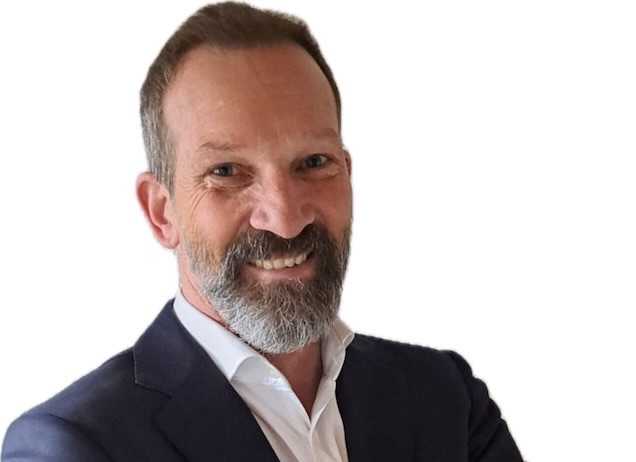
By Ivan Reusse, Head of Leadership Development at Grant Alexander
Last week in Lausanne, a full room gathered for a conference devoted to a subject still far too rarely discussed in the professional world: menopause and its impact on working life. Organised by the platform Queenager, founded by Aurore Müller-Godard, the evening helped break a taboo that nevertheless affects millions of women.
Several speakers joined the round table to shed light on the issue: a gynaecologist specialising in menopause, an expert in human emotions, a representative from the scientific world and the founder of Queenager. Moderated by Thierry Dime, director of Monde Économique, the discussion opened a direct dialogue with the audience, made up overwhelmingly of women.
The exchanges quickly revealed the scale of the issue. Menopause and perimenopause can last several years and bring a wide range of symptoms: sleep disorders, chronic fatigue, concentration problems, emotional swings and hot flushes. These are manifestations that do not stop at the office door.

The figures mentioned during the evening were striking. In Switzerland, more than two million women are affected by this stage of life. A recent survey shows that nearly 20 to 30% of them experience symptoms severe enough to affect their work. Some reduce their working time, others take sick leave, and many prefer to stay silent for fear of being stigmatised.
In more than 40% of cases, the topic remains taboo within companies. Yet it affects a generation of experienced women, often aged between 40 and 60, at a time when they hold key positions or are stepping into significant responsibilities.
For businesses, and SMEs in particular, the issue goes far beyond the medical sphere. It becomes a genuine talent management challenge.
Behind these statistics lies an economic reality: when experienced women cut back their activity or turn down responsibilities because of menopause-related difficulties, organisations lose a valuable share of their human capital. In a context of skills shortages, that loss is far from negligible.
Over recent decades, companies have developed policies to support other key moments in professional life: maternity leave, returning to work after a birth or achieving a better balance between work and family life. Menopause may well be the next major HR challenge.
Of course, the point is not to medicalise the workplace or create new constraints. It is rather to open up a space for understanding and dialogue.
Some simple measures can already make a difference: raising managers’ awareness, temporarily adjusting working hours, allowing greater flexibility or offering confidential discussion spaces. Sometimes, simply being able to address the topic without discomfort or judgement is already an important step forward.
SME leaders have a key role to play here. Their closeness to teams often allows them to act quickly and concretely. A corporate culture built on listening and trust can make all the difference.
At its core, one of the questions raised at this Lausanne conference is simple: how can the experience and skills of women continue to be valued throughout their careers?
The answer lies in collective awareness. As one of the speakers recalled, menopause concerns half the population at some point in life. When an issue concerns half the population, it inevitably becomes an economic and managerial issue.
For companies, the real question may therefore no longer be whether to talk about it, but how to integrate this reality into modern, responsible talent management.
*About the author: Trained as a sociologist and economist, Ivan Reusse has 18 years’ experience in multinational companies, where he led industrial operations in the fragrance and then pharmaceutical sectors, with extensive expertise in the EMEA region. He later moved into strategy consulting and is currently Head of Switzerland for the Leadership Development department at Grant Alexander, a consulting and HR services group that supports companies in executive search and leadership development. Driven by a deep interest in the complexity of the human factor and the strategic dynamics of organisations, he supports leaders in developing their leadership and transforming their structures.
Find all our Inside articles