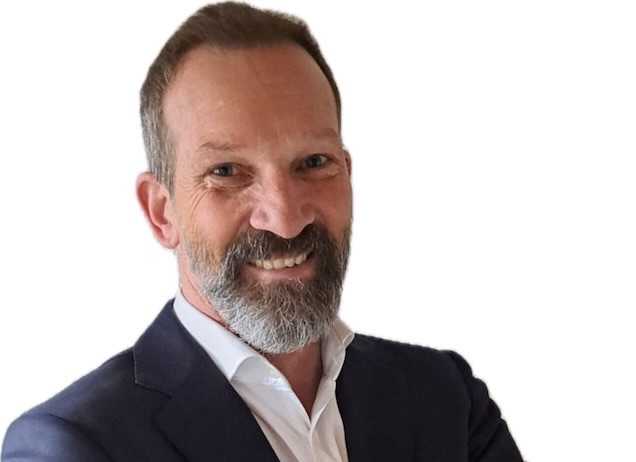
By *Ivan Reusse, Leadership Development Director at Grant Alexander
While Green Leadership draws on innovation, governance and technology, it is anchored above all in the human dimension. Without the buy-in of employees, no sustainable initiative can truly become embedded in corporate culture. The ecological and social transition cannot be imposed from the top down: it must be lived, shared and embodied on a daily basis.
Today, organisations are no longer judged solely on their economic performance, but on their ability to create collective value: environmental, social and human. Public opinion, investors, customers and younger generations are all scrutinising the consistency between words and actions. Green Leadership is therefore not simply a matter of greening a strategy or publishing an ESG report: it is a new governance model, built on shared responsibility and trust.
Social sustainability is not only a moral imperative : it has become a driver of economic performance. Numerous studies show that companies able to keep employees engaged around a sustainable project deliver higher productivity and lower turnover. By fostering commitment, Green Leadership creates work environments that are more stable, more creative and more resilient. These are the conditions that in turn make innovation and long-term growth possible. In a tight labour market, this social dimension is also becoming a factor of attractiveness
The role of the green leader is to put employees back at the centre. He or she creates an atmosphere of trust in which everyone understands the sustainability objectives and the added value of their commitment. Transparency, recognition and active listening then become strategic levers. But this also requires a cultural shift: moving from a compliance logic (“we must”) to a contribution logic (“we can”). This shift from a compliance mindset to a purpose mindset changes the way a team is managed. It is no longer just a matter of delegating tasks, but of co-creating meaning. And this contribution-driven logic rests above all on trust and autonomy. It gives value to local initiatives, micro-projects and everyday actions.
In some companies, a simple group of employees committed to mobility or energy sobriety becomes a genuine catalyst for social innovation. The green leader does not try to control everything; instead, he or she creates the conditions for collective intelligence to emerge and for practices to evolve organically. In practical terms, this means putting in place tangible actions:
• Set shared targets: include a sustainability indicator in annual reviews (waste reduction, better sorting, energy sobriety).
• Involve teams: hold a “green workshop” every quarter where everyone can suggest concrete ideas.
• Recognise commitment: publicly acknowledge sustainable initiatives (newsletter, honours board, team moment).
• Strengthen dialogue: schedule regular check-ins to discuss impact and listen to feedback.
• Lead by example: show that management itself applies the principles it promotes (soft mobility, reduced plastic use, local suppliers).
These everyday actions, often modest, create a culture of consistency. It is this consistency, far more than slogans, that builds trust and strengthens the sense of belonging.
In the long run, social Green Leadership leads to a regenerative company, one that not only limits its impact but contributes positively to its environment. This calls for leaders who can inspire, connect and listen as much as they can plan and decide. The green leader becomes a conductor of collective consciousness, a catalyst for collaboration rather than a giver of orders. Green Leadership is also not confined to the boundaries of the company. It extends to the entire ecosystem: partners, clients, suppliers and public authorities. By adopting a logic of co-responsibility, the leader helps evolve practices beyond the immediate perimeter. That is where real transformation takes place: when sustainability becomes collective, shared and contagious.
And if you are wondering how to activate this approach, two options are available: either you hire a profile that fits the brief, or you bring in a consultancy capable of setting you on the right path so you can drive the process yourself. An extra cost? No: a smart investment, creating as much human value as economic value.
Having spent 18 years in senior international management roles, Ivan Reusse is now Director of Leadership Advisory at Grant Alexander, a firm specialising in the strategic and human support of Swiss SME leaders.
*About the author: By training, Ivan Reusse is a sociologist and economist. He has 18 years’ experience in multinational companies, where he led industrial operations in the fragrance and then pharmaceutical sectors, with particular expertise in the EMEA region. He later moved into strategy consulting and is now Swiss Director of the Leadership Development department at Grant Alexander, a consulting and HR services group that supports companies with direct search recruitment and leadership development. Driven by a deep interest in the complexity of the human factor and the strategic dynamics of organisations, he supports executives in developing their leadership and transforming their structures.
Find all our articles Business Management