Photos © FCG
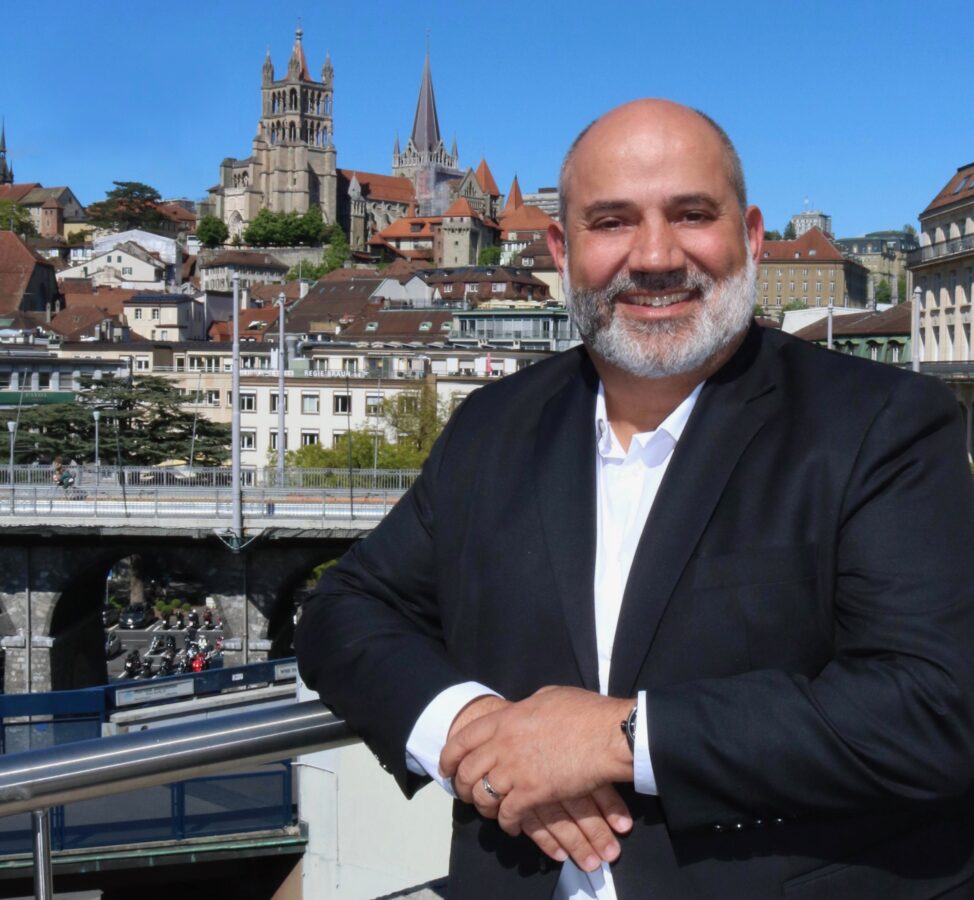
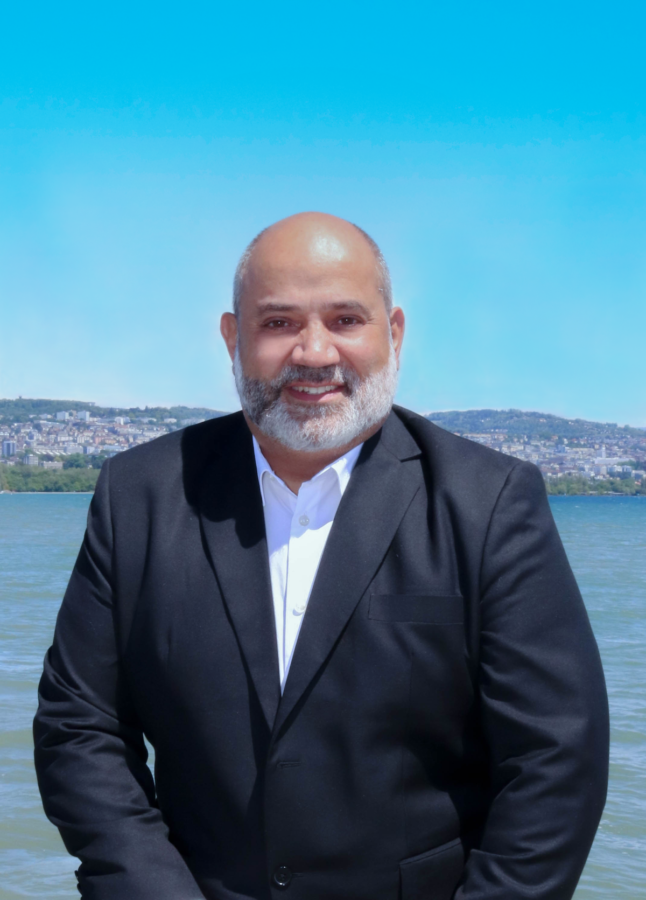
Interview with Alain Canonica Managing Director – FCG Private Finance SA
By declaring 2021 the International Year of Creative Economy for Sustainable Development, the United Nations has confirmed the growing interest of consumers and companies in this new vision of the economy. The same question also arises for retirement provision, as Alain Canonica, Managing Director of FCG Private Finance SA, explains.
Monde Economique: Provision is certainly one of the most complex subjects. Could you give us a brief overview of the situation?

Alain Canonica: Retirement provision in Switzerland has evolved significantly in recent years. In the 1990s, retirement products benefited from a guaranteed technical rate of 3.5%; since 2016, it has been capped at 0.05%. However, falling interest rates now mean that insurance companies can no longer guarantee, for new contracts, the payment of a guaranteed capital corresponding to the full amount of premiums paid, as was previously the case. Today, an older client must necessarily turn to a high-yield product in order to receive a capital amount equivalent to, or even higher than, the sum of premiums paid.
Monde Economique: These high-yield products are linked to investments. How can clients know whether the companies in which their savings are invested match their values?
Alain Canonica: The insurance sector has long been interested in sustainable development, but until now it had not been possible to offer clients a robust product because there were too few investment funds taking environmental, social and governance (ESG) criteria into account. The risks of sharp fluctuations and losses were very real. Today, many institutional investors have developed this type of fund. In 2020, out of 200 funds, 42 ESG-certified funds ended the year with a clear performance advantage over traditional equity funds.
Monde Economique: Concretely, which criteria are examined?
Alain Canonica: On the environmental side, for example, one will take into account a company’s stance on deforestation, biodiversity, energy efficiency, as well as air and water pollution. On the social side, the focus will be on human rights, diversity and gender management, working conditions, and also data protection and privacy. Finally, on governance, the composition of the board of directors, lobbying and the company’s stance on corruption are among the criteria taken into account in the context of ESG certification.
Monde Economique: Is the idea of selecting investments according to ESG factors a new one?
Alain Canonica: No, but it has evolved considerably over time. The launch of the first registered “responsible” investment instrument dates back to 1928. It was the American Pioneer fund, which excluded investments in the tobacco and alcohol industries because of their negative health effects. Among the key milestones, we should also mention the UN conference in Stockholm in 1972 on the human environment, which addressed the trade-offs and challenges linked to sustainability, economic growth and development. In 1990 came the launch of the Domini 400 Social, the world’s first “socially responsible” index, followed in 2006 by the introduction of the “Principles for Responsible Investment” (PRI), backed by the world’s largest investors. Finally, in 2015, the “Sustainable Development Goals” were adopted by 193 countries at the United Nations General Assembly.
Monde Economique: Are clients asking for this?
Alain Canonica: Yes, increasingly so. This is particularly true among young people aged 25 to 35. We have clients who, from the very first meeting with our pension advisers, make it clear that they want to invest in responsible companies. Some even prefer to postpone their pension plans rather than give up these criteria.
Monde Economique: And is it possible to offer them this kind of product?
Alain Canonica: Not really until now, but at the end of March, Generali launched Tomorrow Invest. The fund invests exclusively in companies that have been approved by the consultancy Sustainalytics, one of the world’s leading providers, which comprehensively assesses the sustainability of companies’ activities.
As for the returns on this sustainable fund, they should be the same as those of a traditional fund. The total cost (TER) of this sustainable fund management is 0.8%, which is very low for this type of management, but slightly higher than that of other actively managed funds on the market. By way of comparison, for a retirement capital of 500’000 francs, the difference for the client will be 25,000 to 50,000 francs less, but people are willing to make this effort in order to remain aligned with their convictions.
Interview conducted by Patricia Gagnon
Find all our Interviews here