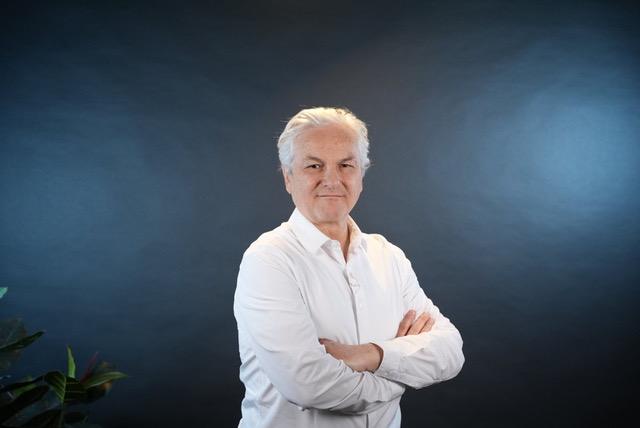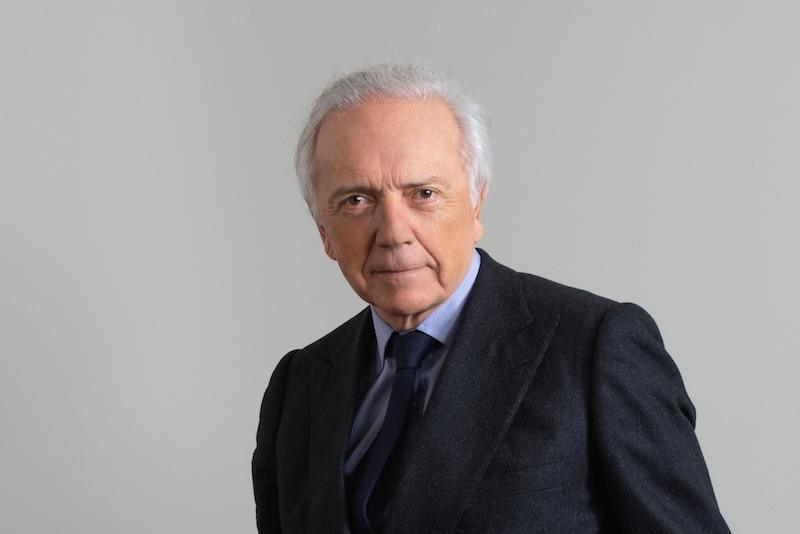
Photo E. Carmignace © Carmignac
Dear Sir or Madam,
Free things have one flaw: people always end up getting used to them.
For nearly fifteen years, states, companies and investors lived in a world where money seemed to be available almost without limit. Governments spent, companies invested, markets re-rated. Why choose when almost everything can be financed?

That era is coming to an end. Money has a cost again and, with it, comes the return of a discipline we may have forgotten too quickly: the discipline of choice.
This shift comes at a time when capital needs have never been greater. The United States must simultaneously finance a towering public debt and an extraordinarily capital-intensive technological revolution. Data centres, semiconductors, digital memory, power generation: Augmented Intelligence requires vast infrastructure. In my last letter, I referred to the upheavals it was bound to unleash. One question is now becoming more pressing: who will pay?
All of us, of course. Savers, investors and taxpayers are the ultimate providers of that capital. States and companies therefore find themselves competing for savings that are not unlimited. There is nothing especially new in this, except that fifteen years of easy money had almost made us forget it.
Europe must be careful not to cast itself as the victim of this new discipline. It must finance its defence, its energy independence and its infrastructure, and close its technological gap. After spending so long regulating what it could no longer produce, it will have to relearn how to invest. The awakening is welcome, but sovereignty is easier to proclaim than to fund.
How can one escape the formidable trap of debt? Unless they ease, the interest rate increases, whose scale we underestimated, will on their own lift interest charges by around 50% by 2030, in both the United States and France. At the same time, assuming budget deficits remain stable, public debt as a share of GDP would rise from 100% to 110% in the United States and from 119% to 132% in France over the same period. These estimates do not factor in the rise in pension costs driven by demographic trends.
Easy money is a powerful anaesthetic. It allows states to postpone difficult trade-offs, keeps mediocre companies alive and sustains among investors the illusion that all assets will eventually rise. When capital regains a price, projects must prove their usefulness and companies their ability to earn a return on it. Should we be worried about that? Scarcer money favours the most promising companies, notably those using Augmented Intelligence, but it also crowds out states afflicted by fiscal incontinence.
Our role is to let you benefit from the trajectories of companies that do not merely prosper in the world as it is, but help shape the one that is emerging. To date, we have supported Mistral, SpaceX, Revolut and Lovable in their pre-IPO fundraising rounds, giving our clients access to them, where possible, through our funds. Augmented Intelligence, space exploration, new financial services, the software revolution: each of these companies is, in its own way, contributing to the transformations that are reshaping our world.
When money was free, owning the market could be enough. Now that it is expensive again, choice becomes essential once more: choosing the companies to entrust with your capital, in the conviction that they will continue to shape the future.
That should keep us busy.
Yours faithfully,
Edouard Carmignac