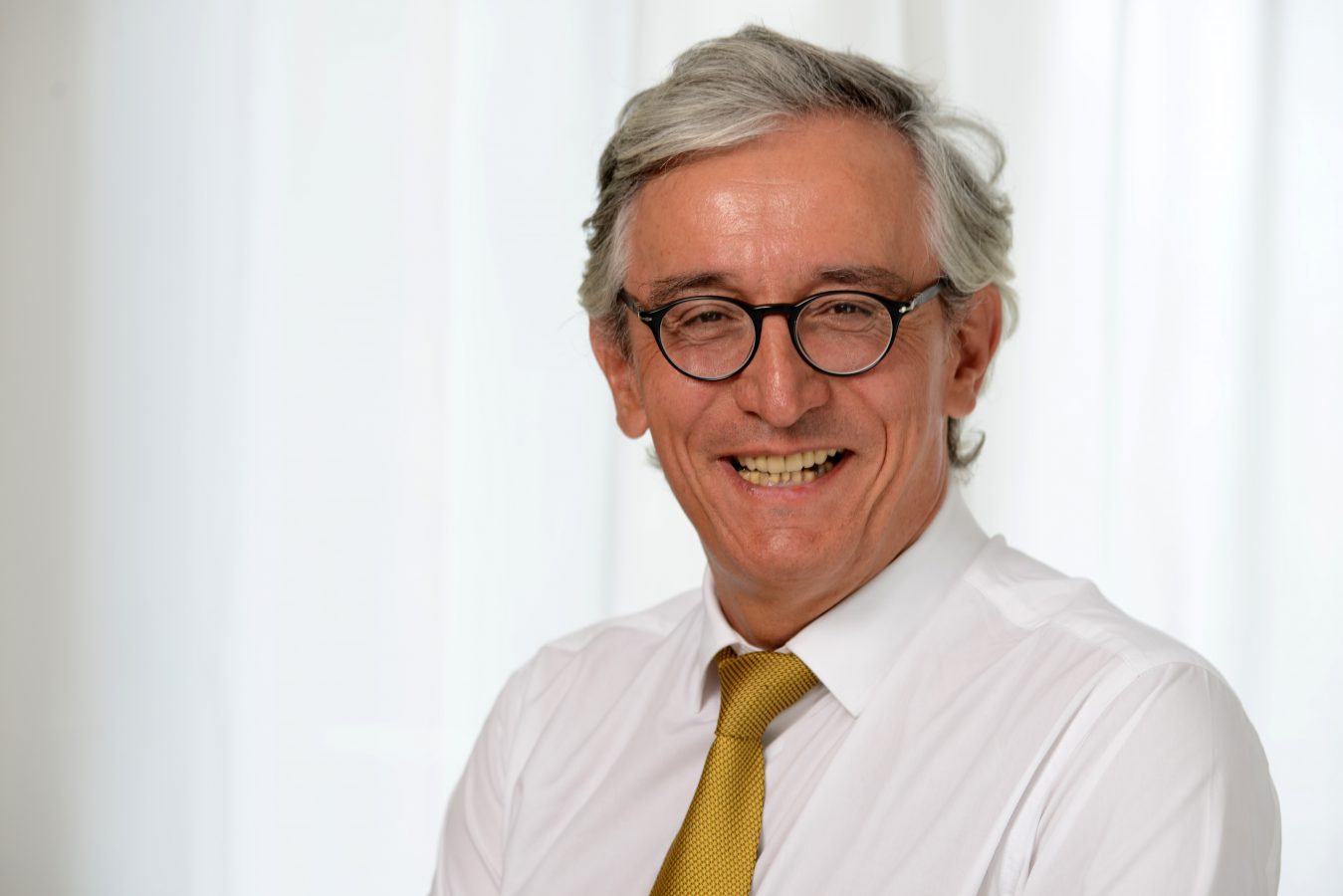
Preface by Dominique Jolly
Professor at Webster University Geneva, Director of the Walker School of Business &Technology
Contrary to some clichés, Iran is a modern society, with a young and well-educated population that has embarked on a gradual process of secularisation. With 80 million inhabitants, it is the second-largest country in the Middle East after Egypt. Unlike the Gulf states, it has a diversified economy: the Iranian economy extends far beyond oil and gas production, which accounts for only a quarter of GDP. Petrochemicals, energy processing, metallurgy, the automotive industry, engineering and retail distribution, through the well-known “bazaars”, are among the sectors that underpin Iranian GDP.
Infrastructure (airports, railways, Internet, etc.), information technology, consumer goods, healthcare and industry all offer pockets of growth. Recent agreements between Iran Air and Airbus and Boeing to modernise its fleet testify to the potential of the Iranian market. Opportunities are therefore not confined to the energy sector alone. Many industries would benefit from foreign technologies to modernise their operations.

In addition to Hassan Rohani’s arrival in 2013 as President of the Islamic Republic of Iran and his clear reaffirmation in this position in 2017, the lifting of sanctions in 2016 opened up new hope for Iran and beyond Iran’s borders. The country is close to regaining its pre-sanctions oil export levels. As a result, economic growth is returning. That said, not everything is rosy.
The outlook is still weighed down by many factors. Banking transactions with foreign countries are certainly easier, but large foreign banks remain cautious. The end of sanctions has not solved everything. Because of an economy dominated by the public sector, bureaucracy, corruption, a lack of transparency, inflation (more than 10% per year) and high unemployment (four million people without work), Iran still faces difficulties in attracting foreign direct investment. Moreover, the new President of the United States appears intent on continuing to marginalise the country. In this context, European companies, and Swiss companies in particular, can build a competitive advantage by being among the first to restore economic ties.
This dossier follows a conference held at Webster University Geneva in early May 2017 on the theme “Doing Business in Iran”. Around ten experts were able to present their views on the key success factors for doing business in Iran. The articles in this dossier summarise their work.
Dominique Jolly: Professor at Webster University Geneva, Director of the Walker School of Business &Technology