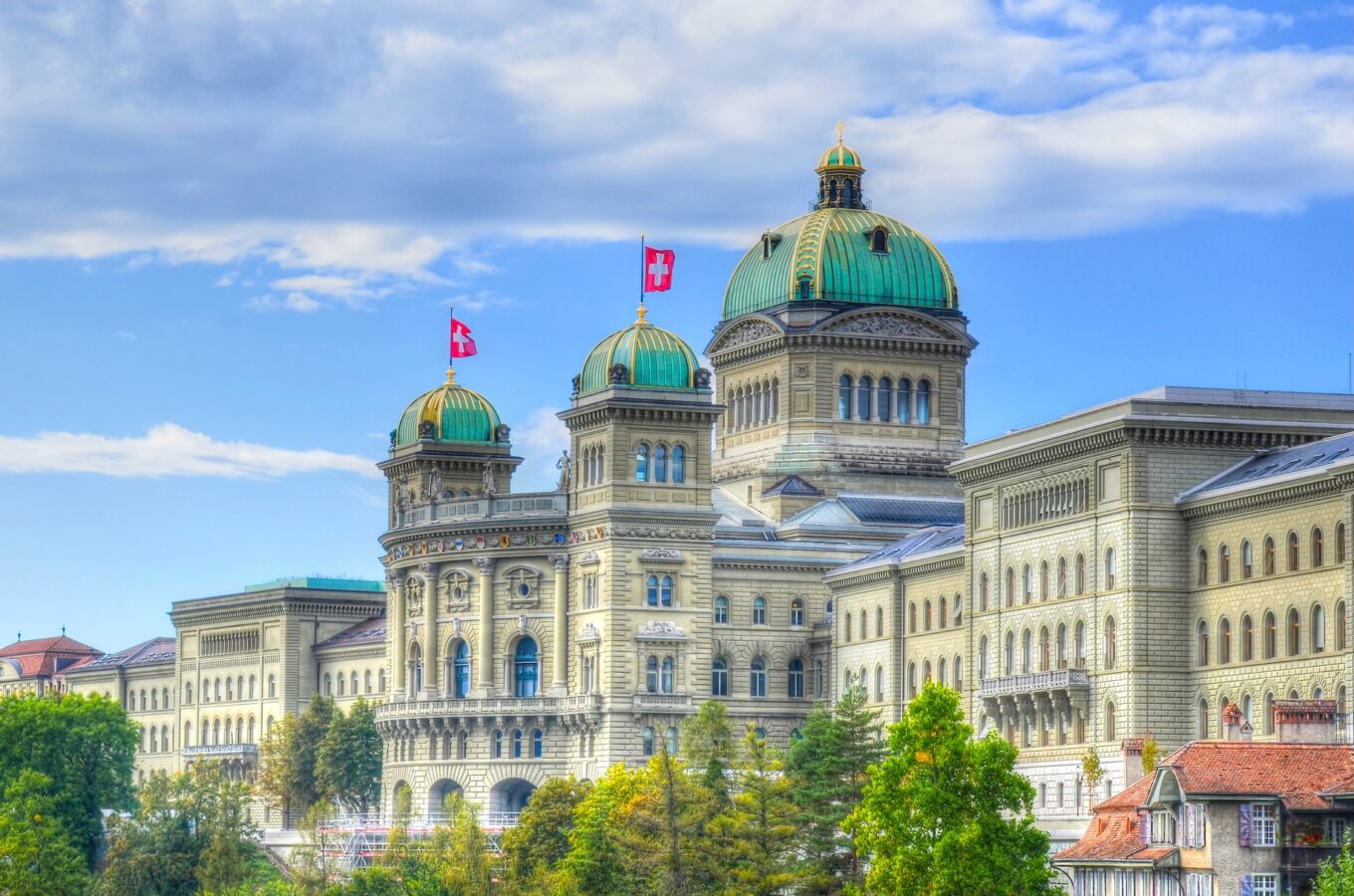
As the tectonic plates of geopolitics accelerate their shift, unsettling a world once thought secure in its stability, Switzerland’s political operating system appears increasingly outdated. In Bern as in the cantons, public debate can at times feel eerily detached from reality, frozen in an anachronistic view of neutrality and independence. Between identity-driven reflexes, trench warfare over Europe, and fantasies of absolute sovereignty, a dangerous gap is widening between the rhetoric of some elected officials and the harsh reality of the new world order. A form of cognitive dissonance has taken hold at the heart of the Confederation. Listening to the champions of isolation, one might believe Switzerland still lives inside an airtight bubble, a modern-day “National Redoubt” capable of shielding it from the shocks of globalization, migratory pressures or the climate emergency. But this island-like comfort is an optical illusion. Switzerland is not an island; it is an economic and financial lung at the heart of Europe. In the face of today’s systemic challenges, withdrawal is no longer a protective strategy, but a risk-taking posture. At a time when lines of influence are being violently redrawn from Washington to Beijing, the question is no longer whether we can stand aside, but how to survive without being overwhelmed.
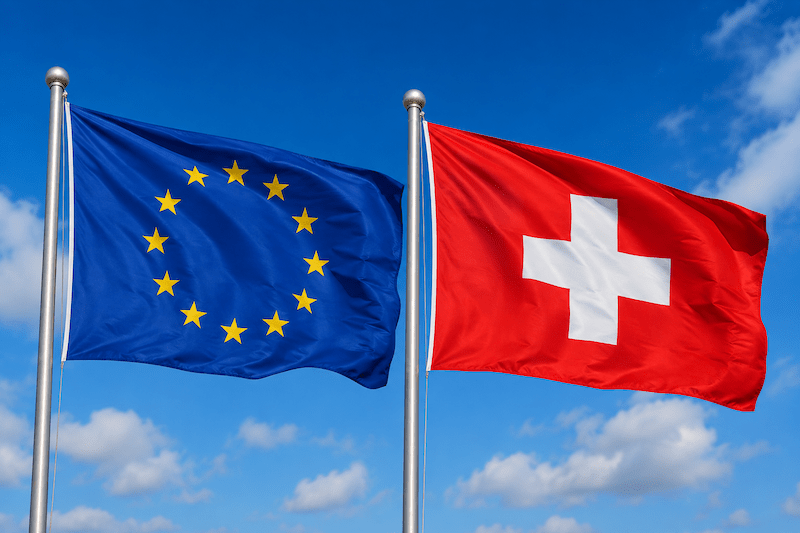
This refusal to face reality is particularly glaring in the never-ending psychodrama surrounding relations with the European Union. Part of the political class continues to sell voters the untenable promise of a gilded status quo: retaining privileged access to the single market without conceding the slightest institutional integration. That stance amounts to wilful blindness. The bilateral agreements are not an all-you-can-eat buffet where one can pick and choose economic benefits while setting aside legal obligations. They are the result of a fragile balance built on reciprocity. Faced with a Europe that is consolidating itself geopolitically and tightening its rules, the era of Swiss “tailor-made” arrangements is over. Believing one can forever have one’s cake and eat it too, and still keep the Brussels dairymaid smiling, is not diplomacy; it is political naivety. If nothing changes, the erosion of the bilateral path will not be a choice, but a slow, imposed suffocation.
The same disconnect is distorting the demographic debate, particularly around the simplistic idea of capping the population at ten million inhabitants. As if an arithmetic barrier or a numerical ceiling could magically solve complex structural problems. In an open economy whose prosperity depends on exports and innovation, such a proposal looks far more like a populist slogan than a state strategy. Our country is ageing. Without foreign labour, who will keep our hospitals running? Who will finance our social insurance systems? Who will sustain our academic excellence? Migration requires rigorous management and a serious debate, not arbitrary figures thrown to an anxious electorate at the risk of undermining our own growth model.
Finally, it is time for Switzerland to look squarely at its own size with clear eyes. The world of 2025 is not the world of the 1990s. In the face of unabashed power blocs, a United States that has become unpredictable and protectionist, an assertive China and a European Union establishing itself as a strategic actor, Switzerland does not have the critical mass to set the rules. The model that secured our success — passive neutrality, good offices, commercial opportunism — is no longer enough to guarantee our political and economic security.
Switzerland stands at a historic turning point. The choice before it is binary: continue to be shaped by history while clinging to the myths of the past, or accept the need to reinvent itself. Reinvention does not mean surrender; it means adaptation. True sovereignty in the 21st century does not consist in saying “no” to everything while remaining alone in one’s corner. It consists in weaving the alliances needed to influence the decisions that affect us. There is no longer room for spectators in the global arena. To defend its interests, Switzerland must finally choose to become an actor in its own destiny. Between blind dependence and lucid reinvention, there is only one step: political courage.
Find all our Analysis articles