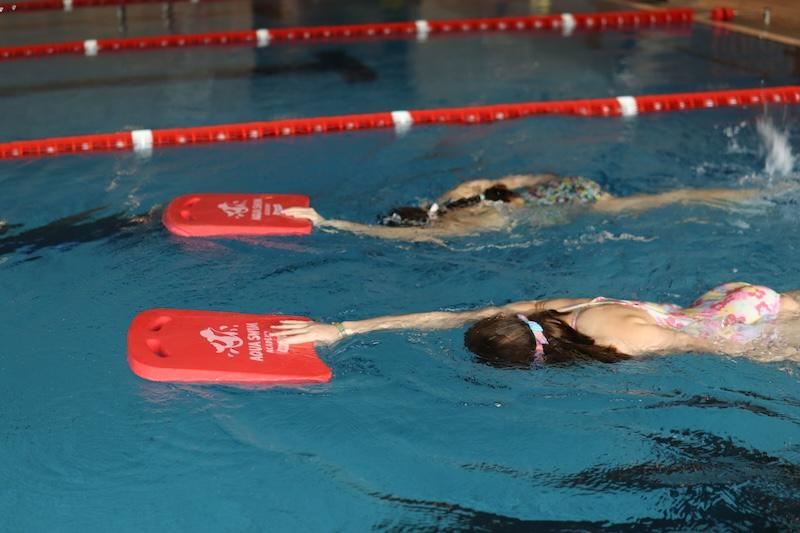
Photo credit: Aqua Swim Academy
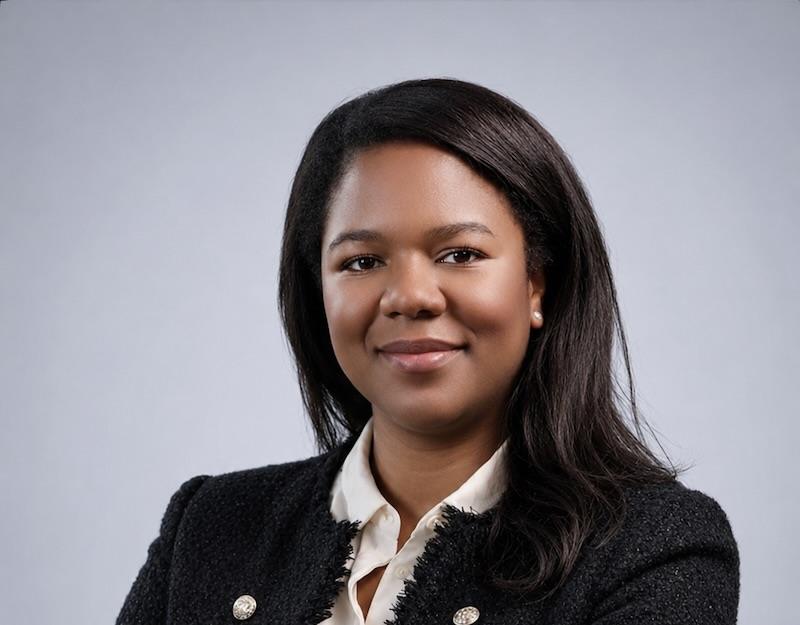
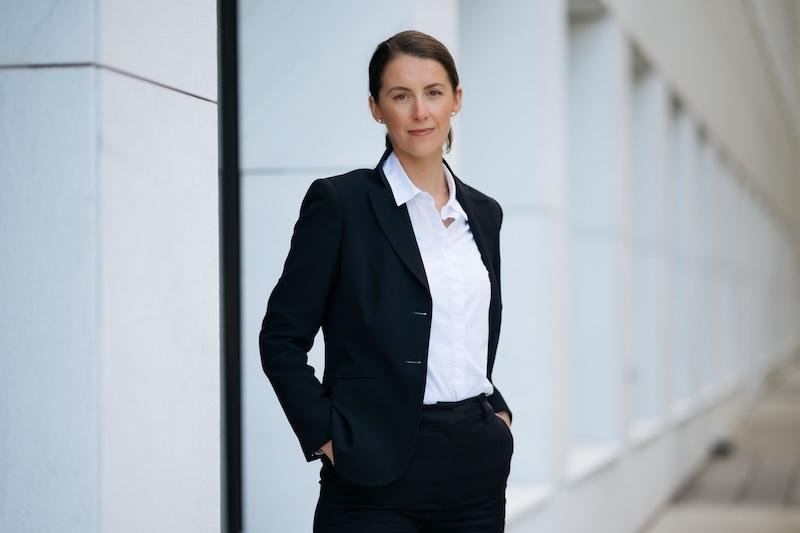
The day her son nearly drowned, Ann Hess was not thinking about risk models, compliance frameworks, or anything she had spent twenty years mastering. She was simply a mother at the water’s edge, watching a single moment threaten to take everything. He survived. The accident did not leave with him. What stayed was a question that would not let her go: what does it actually take to keep a person safe in the water?
It was, in its way, a question she had been trained to ask her whole career, just never about water. Hess trained as a lawyer before moving into finance, where she built a career as a director across Lombard Odier, UBP and J.P. Morgan, specialising in risk management. It is a discipline built on a particular instinct: looking for the danger in a situation before anyone else has noticed it, then deciding what to do before it becomes a crisis. For two decades, she pointed that instinct at portfolios and institutions. After her son’s accident, she pointed it at something far closer to home.
What she found unsettled her. Switzerland is a country built around its lakes and rivers, yet in 2024 only 56% of children in urban areas had received swim classes. The figure, to Hess, told an incomplete story on its own, because even among those who had taken lessons, most had been taught to swim, not to survive. Stroke technique was not the same thing as knowing what to do when a current shifts, a current pulls, or panic sets in. Somewhere in that gap, she realised, children were being failed. She decided this was not a problem she could simply notice and move past.

That decision became Aqua Swim Academy. It began modestly, as a school built around the twin pillars of stroke and survival, and has since grown into a network spanning the Lac Léman region, with sites in Geneva, Coppet, Lausanne, Montreux, Aubonne and Fribourg. Hess sought Qualicert certification early on, not as a marketing flourish but as a deliberate choice: it allows lessons to qualify for reimbursement through complementary health insurance, putting real water-safety training within reach of families who might otherwise have gone without it. It is a quiet thread running back to where she came from, the same rigour she once brought to private banking, now built into every lesson her instructors teach.
She is not finished. Hess talks about water the way some founders talk about software: as something to be rebuilt from first principles rather than simply inherited as it is. The aquatic centre she is now developing carries that ambition forward, a purpose-built space conceived to change how an entire region learns to swim, not an incremental addition to what already exists. The idea has already reached beyond Switzerland’s borders: it was selected for the 2026 cohort of UBS Project Female Founder, a signal that what she is building has outgrown the scale of a single pool.
Ask Hess what success will look like, and she does not reach for a number. She describes a region that has changed its relationship with water altogether, where children and adults alike do not merely know how to swim, but know how to stay alive in it. Aqua Swim taught a region to swim. What she is building now is meant to change the way it thinks about water entirely.
Find all our Inside articles